
If you’re looking for a best hair products review, you’ve likely noticed how confusing the hair care market has become. With so many shampoos, conditioners, oils, masks, and serums claiming to be the “best,” it’s hard to know what actually works.
In this detailed guide, I’ll break everything down in a simple, conversational way so you can understand what to use, why to use it, and how to choose the right products for your hair type.
Understanding the Purpose of Hair Products
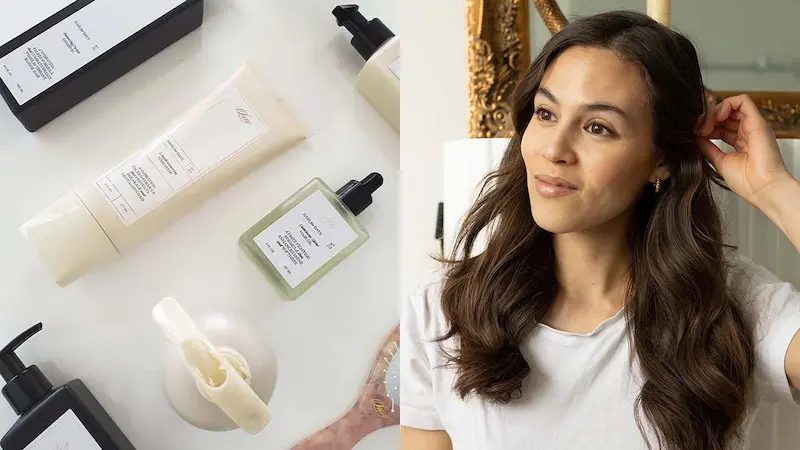
Before diving into product types, it’s important to understand that every hair product has a specific role in your routine. A complete hair care system typically focuses on:
- Cleansing the scalp and hair
- Moisturizing and nourishing strands
- Repairing damage
- Protecting from heat and environmental stress
- Improving appearance (shine, smoothness, volume)
A good best hair products review always evaluates products based on how well they perform these functions.
Detailed Breakdown of Hair Product Types
1. Shampoo: The Foundation of Hair Care
Shampoo is the first and most essential step in any routine. Its main job is to remove dirt, oil, sweat, and product buildup from your scalp.
What to look for in a good shampoo:
- Sulfate-free or mild cleansing formulas
- Ingredients like keratin, biotin, argan oil, tea tree oil, or aloe vera
- pH-balanced formulas to maintain scalp health
Types of shampoos:
- Clarifying shampoo: Deep cleans buildup (use occasionally)
- Moisturizing shampoo: Ideal for dry or damaged hair
- Volumizing shampoo: Best for fine or thin hair
- Anti-dandruff shampoo: Targets flakes and scalp irritation
Pro tip: Avoid over-washing your hair, as it can strip natural oils and cause dryness.
2. Conditioner: Moisture and Protection
Conditioner is just as important as shampoo. While shampoo cleans, conditioner restores moisture and smoothness.
Benefits of conditioner:
- Reduces frizz
- Improves hair softness
- Makes detangling easier
- Adds shine and manageability
Types of conditioners:
- Rinse-out conditioner (used after shampoo)
- Leave-in conditioner (applied and left in hair)
- Deep conditioner (used weekly for intense hydration)
Key ingredients to look for:
- Shea butter
- Coconut oil
- Keratin
- Panthenol (Vitamin B5)
3. Hair Oils: Traditional Yet Powerful
Hair oils have been used for centuries and remain a key part of many hair care routines.
Popular hair oils and their benefits:
- Coconut oil: Deep conditioning and protein retention
- Argan oil: Adds shine and smoothness
- Castor oil: May support hair thickness and growth
- Olive oil: Softens and nourishes dry strands
How to use:
- Apply before washing as a pre-treatment
- Leave it for at least 30 minutes (or overnight)
- Wash thoroughly with shampoo
Important tip: Don’t over-oil your hair; too much oil can lead to buildup and requires more shampoo, which may dry out hair.
4. Hair Serums: Instant Shine and Smooth Finish
Hair serums are styling products that give immediate visual improvement.
What serums do:
- Control frizz
- Add shine
- Protect against heat damage
- Make hair look smoother and polished
When to use:
- After washing on damp hair
- Before heat styling
- As a finishing touch on dry hair
Best ingredients in serums:
- Silicone derivatives (for smooth coating)
- Argan oil
- Vitamin E
- Lightweight natural oils
Tip: Use only a small amount to avoid greasy appearance.
5. Hair Masks: Deep Repair Treatment
Hair masks are more intensive than conditioners and are designed for repair and nourishment.
Benefits:
- Repair damaged strands
- Provide deep hydration
- Strengthen weak hair
- Improve elasticity
How often to use:
- Once or twice a week depending on hair condition
Best ingredients:
- Keratin (for strengthening)
- Protein complexes
- Natural oils and butters
- Honey and aloe vera
6. Hair Styling Products
These products help you style your hair while maintaining control and hold.
Examples include:
- Hair gels (for hold)
- Mousses (for volume)
- Hair sprays (for finishing styles)
- Wax or pomade (for texture and definition)
Tip: Avoid using too many styling products daily as they can lead to buildup and scalp issues.
Choosing the Best Hair Products for Your Hair Type
A proper best hair products review must consider different hair types. Here’s how to select products based on your needs:
Dry Hair
- Use hydrating shampoos and rich conditioners
- Incorporate oils and hair masks
- Avoid alcohol-based products
Oily Hair
- Use lightweight, clarifying shampoos
- Avoid heavy conditioners on the scalp
- Wash regularly but not excessively
Curly Hair
- Use sulfate-free, moisture-rich products
- Apply leave-in conditioners and curl creams
- Avoid harsh brushing on dry hair
Damaged or Colored Hair
- Choose protein-rich and repairing formulas
- Use color-safe shampoos
- Include deep conditioning treatments
Fine or Thin Hair
- Use volumizing shampoos and lightweight conditioners
- Avoid heavy oils and creams
- Focus on scalp care
You may also like to read this:
Hair Care Routine For Dry Hair: Easy Tips For Healthy Hair
Easy Tips For Shiny Hair At Home | Natural Hair Care Guide
Best Beauty Products Review: Top Picks For Glowing Skin
Honest Skincare Product Review: Best Products That Work
Affordable Beauty Products Review: Best Budget Picks Guide A
How to Build a Complete Hair Care Routine
Here’s a simple step-by-step routine you can follow:
- Oil your hair (optional, 1–2 times per week)
- Shampoo to cleanse the scalp
- Condition to restore moisture
- Apply serum for shine and frizz control
- Use a hair mask weekly for deep treatment
- Style as needed using heat protectants
Common Mistakes to Avoid
Even with the best products, mistakes can affect your results:
- Using too much shampoo or conditioner
- Skipping regular conditioning
- Applying oil on extremely dirty hair without washing properly
- Overusing heat tools without protection
- Switching products too frequently without giving them time to work
Final Thoughts
A detailed best hair products review is not just about listing popular items—it’s about understanding what your hair truly needs. Every individual has different hair concerns, and the “best” product is the one that works effectively for your specific hair type and routine.
If you focus on consistency, proper usage, and selecting the right combination of shampoo, conditioner, oil, serum, and treatments, you’ll gradually notice stronger, shinier, and healthier hair.
FAQs: Best Hair Products Review
1. How do I choose the best hair products for my hair type?
To choose the right products, first identify your hair type (dry, oily, curly, fine, or damaged). Then select products designed for your specific needs. For example, dry hair benefits from moisturizing shampoos and conditioners, while oily hair needs lightweight and clarifying formulas.
2. How often should I wash my hair?
It depends on your hair type:
Oily hair: Every 1–2 days
Normal hair: 2–3 times a week
Dry or curly hair: 1–2 times a week
Overwashing can strip natural oils, while under-washing can lead to buildup.
3. Are expensive hair products always better?
Not necessarily. Many affordable products work just as well as high-end ones. The effectiveness depends on ingredients and how well the product suits your hair type, not just the price.
4. What ingredients should I avoid in hair products?
You may want to avoid:
Sulfates (can be harsh and drying)
Parabens (preservatives some prefer to avoid)
High alcohol content (can cause dryness)
Choosing gentle and nourishing ingredients is usually better for long-term hair health.
5. How important is conditioner in a hair care routine?
Conditioner is essential. It helps restore moisture, reduce frizz, and make hair easier to manage. Skipping conditioner can lead to dry, tangled, and dull hair.