

If you’re searching for a practical and effective hair care routine for dry hair, this guide will walk you through everything in detail. Dry hair can feel rough, look dull, and become frizzy or brittle, but the good news is that with the right consistent routine, you can restore moisture, improve texture, and bring back shine.
Let’s go step by step and build a complete routine you can easily follow in your daily and weekly schedule.
What Exactly Is Dry Hair?
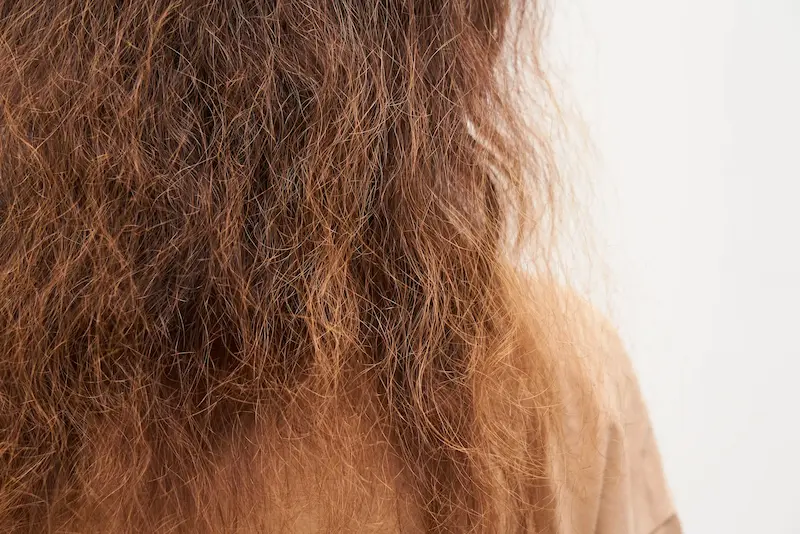
Dry hair occurs when your scalp doesn’t produce enough natural oils or when your hair loses moisture due to external and internal factors. As a result, the hair cuticle becomes rough instead of smooth, leading to:
- Lack of shine
- Frizz and tangling
- Split ends
- Breakage
- Rough or stiff texture
Dry hair needs extra hydration, nourishment, and protection compared to normal hair.
Causes of Dry Hair
Understanding the root cause helps you treat it better. Some common reasons include:
- Overwashing: Washing hair too frequently strips away natural oils
- Harsh shampoos: Sulfates and strong cleansers can dry out the hair
- Heat styling: Straighteners, curlers, and blow dryers damage moisture balance
- Chemical treatments: Coloring, bleaching, and rebonding weaken hair structure
- Environmental exposure: Sun, pollution, wind, and dust
- Poor diet: Lack of nutrients affects hair health
- Improper hair care habits: Rough towel drying, skipping conditioner, etc.
Complete Hair Care Routine for Dry Hair
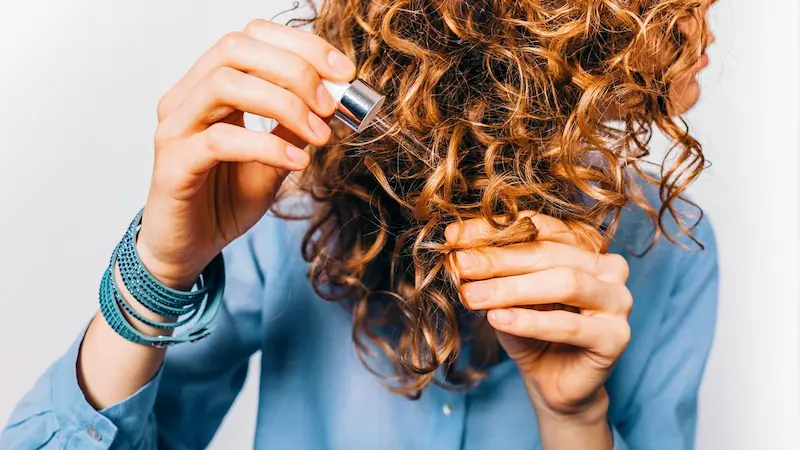
Now let’s build a detailed routine that covers daily, weekly, and long-term care.
1. Pre-Wash Oil Treatment (Very Important)
Oil treatment is one of the most effective steps in a hair care routine for dry hair because it deeply nourishes the scalp and hair strands.
How to do it:
- Choose oils like coconut oil, almond oil, olive oil, or argan oil
- Warm the oil slightly (not too hot)
- Apply to scalp and hair lengths
- Massage gently for 5–10 minutes
- Leave it on for at least 30 minutes or overnight for deep conditioning
Benefits:
- Restores moisture
- Reduces dryness and frizz
- Strengthens hair roots
- Improves blood circulation in the scalp
2. Gentle Hair Washing Routine
Washing your hair correctly is just as important as oiling.
Best practices:
- Wash your hair 2–3 times per week, not daily
- Use lukewarm water instead of hot water
- Choose a sulfate-free, moisturizing shampoo
- Dilute shampoo with a little water before applying
Washing technique:
- Focus shampoo on the scalp, not the lengths
- Let the foam clean the rest of the hair while rinsing
- Avoid scrubbing aggressively
3. Conditioner: Lock in Moisture
Conditioner is non-negotiable for dry hair.
How to use:
- Apply conditioner from mid-length to ends
- Avoid applying directly to the scalp
- Leave it for 2–5 minutes
- Rinse with cool or lukewarm water
Why it matters:
- Smooths the hair cuticle
- Reduces frizz
- Makes hair soft and manageable
- Helps prevent tangling and breakage
4. Weekly Deep Conditioning or Hair Masks
A weekly hair mask provides intense hydration and repair.
DIY hair masks you can try:
- Banana + honey + yogurt → hydrates and softens hair
- Avocado + olive oil → deeply nourishes and strengthens
- Aloe vera + coconut oil → soothes scalp and adds moisture
How often:
- Use once a week for best results
Tip:
Leave the mask on for 20–30 minutes for maximum absorption.
5. Proper Drying Technique
How you dry your hair can impact dryness significantly.
Avoid:
- Rubbing hair aggressively with a towel
- Using very hot air from blow dryers
Do instead:
- Use a microfiber towel or cotton T-shirt
- Gently pat your hair dry
- Allow air drying whenever possible
- If using a dryer, use a cool or low heat setting
6. Minimize Heat Styling
Excessive heat is one of the biggest reasons for dry and damaged hair.
Recommendations:
- Limit use of straighteners, curlers, and blow dryers
- Always apply a heat protectant before styling
- Use heat tools only when necessary
- Keep the temperature low
7. Regular Trimming
Dry hair is more prone to split ends, which travel upward and damage more hair.
How often:
- Trim every 6–8 weeks
Benefits:
- Removes split ends
- Improves hair appearance
- Promotes healthier growth
8. Night-Time Hair Care
Your hair also needs protection while you sleep.
Tips:
- Use a silk or satin pillowcase
- Tie hair loosely in a braid or bun
- Avoid sleeping with wet hair
- Apply a light leave-in oil or serum if needed
9. Diet and Hydration for Healthy Hair
Hair health is strongly connected to what you eat.
Include in your diet:
- Protein-rich foods (eggs, lentils, chicken, nuts)
- Healthy fats (fish, walnuts, seeds)
- Vitamins (fruits and vegetables)
- Iron and zinc sources
Hydration:
- Drink enough water daily to maintain scalp and hair moisture
10. Protect Your Hair from External Damage
Environmental factors can worsen dryness.
Protection tips:
- Cover your hair in strong sun
- Avoid prolonged exposure to dust and pollution
- Use a scarf or hat when outdoors
- Protect hair while swimming (chlorine can dry hair)
You may also like to read this:
Daily Hair Care Routine For Beginners For Healthy Shiny Hair
How To Stop Hair Fall Naturally and Strengthen Hair Roots
Best Hair Care Tips For Healthy Hair | Complete Guide
Home Remedies For Hair Growth To Stop Hair Fall Naturally
Common Mistakes to Avoid
- Washing hair too often
- Skipping conditioner
- Using harsh shampoos
- Overusing heat styling tools
- Rough towel drying
- Ignoring scalp health
Avoiding these mistakes will significantly improve your hair texture over time.
Sample Weekly Hair Care Routine for Dry Hair
Here’s a simple routine you can follow:
Day 1:
- Oil your hair
- Leave overnight
Day 2:
- Shampoo and condition
- Air dry
Mid-week:
- Apply a light serum or oil to ends
Day 5 or 6:
- Use a hair mask
End of week:
- Repeat oiling if needed
Final Thoughts
Maintaining a consistent hair care routine for dry hair is all about hydration, protection, and gentle handling. Once you start following the right steps—oiling, mild cleansing, deep conditioning, and proper lifestyle habits—you’ll gradually notice smoother, shinier, and healthier hair.
Remember, results don’t come overnight, but with patience and consistency, your hair will improve significantly over time.
FAQs: Hair Care Routine for Dry Hair
1. How often should I wash dry hair?
For dry hair, washing 2–3 times per week is ideal. Overwashing can strip natural oils and make dryness worse.
2. Is oiling necessary for dry hair?
Yes, oiling is highly beneficial. It helps restore moisture, improves softness, and strengthens hair. You can oil your hair 1–2 times a week.
3. Which oil is best for dry hair?
Some of the best oils for dry hair include:
Coconut oil
Almond oil
Olive oil
Argan oil
You can choose based on what suits your hair type best.
4. Can conditioner alone fix dry hair?
Conditioner helps improve moisture and manageability, but it is not enough on its own. A complete routine including oiling, masking, and gentle washing is needed for long-term results.
5. Are hair masks necessary for dry hair?
Yes, hair masks are very helpful. Using a deep conditioning mask once a week provides extra hydration and repairs damage more effectively than regular conditioner.