

If you’re looking for best hair care tips for healthy hair, this detailed guide will help you build a complete routine that actually works in real life. Healthy hair isn’t just about using expensive products—it’s about understanding your hair, following the right habits, and being consistent.
In this article, I’ll walk you step by step through everything you need to know in a simple, conversational way so you can easily apply it to your daily routine.
Why Hair Care Matters
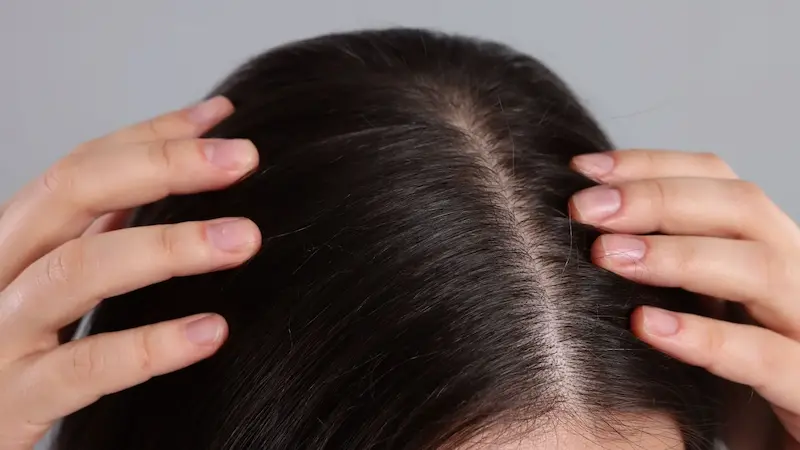
Your hair goes through a lot every day—pollution, heat, dust, styling tools, and even stress can affect its health. Without proper care, you may notice:
- Hair fall
- Dryness and frizz
- Split ends
- Dull and lifeless hair
- Slow hair growth
The good news is that with the right approach, you can improve all of these issues over time.
Step 1: Know Your Hair Type First
One of the most important best hair care tips for healthy hair is understanding your hair type. Your routine should match your hair’s needs.
Common Hair Types:
- Oily hair: Gets greasy quickly, needs frequent cleansing but light conditioning
- Dry hair: Lacks moisture, needs deep nourishment
- Normal hair: Balanced, requires basic maintenance
- Curly/wavy hair: Prone to dryness and frizz, needs extra hydration
- Thin/fine hair: Needs lightweight products to avoid weighing down
- Thick/coarse hair: Requires more moisture and detangling care
Once you understand your hair type, choosing products and routines becomes much easier.
Step 2: Build a Proper Washing Routine
Washing your hair the right way is essential for maintaining scalp health.
How Often Should You Wash?
- Oily hair: Every 1–2 days
- Normal hair: 2–3 times a week
- Dry hair: 1–2 times a week
Washing Tips:
- Use lukewarm water instead of hot water
- Apply shampoo mainly on the scalp
- Massage gently using fingertips (not nails)
- Rinse thoroughly to avoid product buildup
Avoid overwashing, as it strips natural oils and causes dryness.
Step 3: Never Skip Conditioner
Conditioner plays a key role in keeping hair smooth and manageable.
How to Apply:
- Apply from mid-length to ends (avoid scalp if oily)
- Leave it for 2–5 minutes
- Rinse with cool or lukewarm water
Benefits:
- Reduces frizz
- Prevents tangling
- Adds shine
- Improves softness
For dry or damaged hair, consider deep conditioning once a week.
Step 4: Oil Your Hair for Nourishment
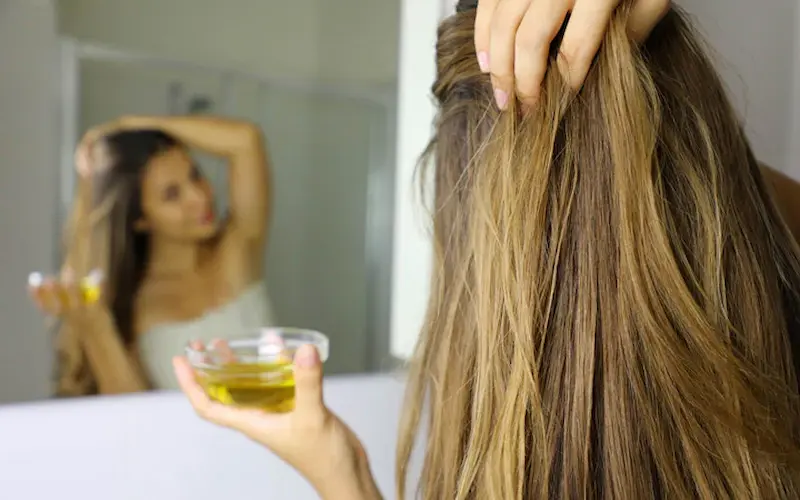
Oiling is one of the most effective natural methods for improving hair health.
Best Oils:
- Coconut oil
- Almond oil
- Olive oil
- Castor oil (for growth support)
How to Oil Properly:
- Warm the oil slightly (optional)
- Massage gently into the scalp for 5–10 minutes
- Apply evenly to hair lengths
- Leave for at least 1–2 hours or overnight
- Wash with mild shampoo
Oiling improves blood circulation, strengthens roots, and reduces hair fall.
Step 5: Protect Your Hair from Heat Damage
Excessive heat styling is one of the biggest causes of hair damage.
Common Heat Tools:
- Straighteners
- Curling irons
- Blow dryers
How to Reduce Damage:
- Limit heat styling to special occasions
- Always use a heat protectant spray
- Use lower temperature settings
- Prefer air-drying whenever possible
Heat weakens hair proteins and leads to breakage over time.
You may also like to read this:
Daily Hair Care Routine For Beginners For Healthy Shiny Hair
How To Stop Hair Fall Naturally and Strengthen Hair Roots
Home Remedies For Hair Growth To Stop Hair Fall Naturally
Hair Care Routine For Dry Hair: Easy Tips For Healthy Hair
Step 6: Eat a Hair-Friendly Diet
Healthy hair starts from within your body.
Include These Nutrients:
- Protein: Eggs, chicken, lentils
- Iron: Spinach, beans
- Omega-3 fatty acids: Nuts, seeds, fish
- Vitamins A, C, and E: Fruits and vegetables
- Biotin: Eggs, nuts, whole grains
A poor diet can directly affect hair growth and strength.
Step 7: Stay Hydrated
Water is essential for overall hair health.
- Drink enough water daily
- Hydration helps maintain scalp moisture
- Prevents dryness and brittleness
Dehydration can make your hair weak and dull.
Step 8: Trim Your Hair Regularly
Trimming is often overlooked but very important.
Why Trim?
- Removes split ends
- Prevents further damage
- Keeps hair looking neat and healthy
How Often?
- Every 6–8 weeks is ideal
Regular trims don’t slow hair growth—they actually help maintain healthy length.
Step 9: Be Gentle with Your Hair
Hair is most fragile when wet.
Tips for Handling Hair:
- Use a wide-tooth comb on wet hair
- Avoid harsh brushing
- Pat dry with a towel instead of rubbing
- Detangle slowly from ends to roots
Being gentle prevents unnecessary breakage.
Step 10: Protect Hair from External Damage
Environmental factors can affect hair health.
Common Damage Sources:
- Sun exposure
- Dust and pollution
- Wind
Protection Tips:
- Cover your hair when outdoors
- Rinse hair after heavy exposure to dust
- Use protective hairstyles when needed
Step 11: Avoid Overuse of Chemicals
Frequent chemical treatments can weaken your hair.
Examples:
- Hair coloring
- Bleaching
- Chemical straightening
If you use these treatments:
- Space them out
- Use nourishing masks afterward
- Follow proper aftercare routines
Step 12: Maintain a Healthy Scalp
Your scalp is the foundation of healthy hair.
Scalp Care Tips:
- Keep it clean and free from buildup
- Avoid excessive product accumulation
- Address dandruff or irritation early
- Massage regularly to improve circulation
A clean and balanced scalp promotes better growth.
Step 13: Follow a Weekly Hair Care Routine
Here’s a simple weekly routine you can follow:
- 2–3 times a week: Wash hair with shampoo + conditioner
- 1–2 times a week: Oil massage before washing
- Once a week: Deep conditioning or hair mask
- Daily: Gentle combing and proper care
Consistency is key to seeing results.
Common Hair Care Mistakes to Avoid
- Washing hair with very hot water
- Overusing styling products
- Skipping conditioner
- Tying hair too tightly
- Using harsh shampoos
- Not protecting hair from sun and dust
Avoiding these mistakes can significantly improve your hair health.
Final Thoughts
Following the best hair care tips for healthy hair doesn’t have to be complicated. With a balanced routine that includes proper washing, regular oiling, a healthy diet, and gentle handling, you can gradually achieve stronger, shinier, and more manageable hair. The key is consistency—small daily habits make a big difference over time.
If you stay committed to these practices, you’ll start noticing healthier hair that not only looks good but also feels great.
FAQs
1. What are the best hair care tips for healthy hair?
The best hair care tips for healthy hair include regular oiling, using a mild shampoo, conditioning your hair, eating a balanced diet, staying hydrated, avoiding excessive heat styling, and trimming your hair regularly.
2. How often should I wash my hair?
It depends on your hair type:
Oily hair: Every 1–2 days
Normal hair: 2–3 times a week
Dry hair: 1–2 times a week
Avoid washing too frequently as it can strip natural oils.
3. Is oiling really necessary for healthy hair?
Yes, oiling helps nourish the scalp, improve blood circulation, strengthen roots, and reduce hair fall. Regular oiling is an important part of maintaining healthy hair.
4. Can diet affect hair health?
Absolutely. A diet rich in protein, vitamins, iron, and healthy fats supports hair growth and strength. Poor nutrition can lead to hair fall, dryness, and weak hair.
5. How can I reduce hair fall naturally?
To reduce hair fall naturally:
Maintain a balanced diet
Oil your hair regularly
Avoid harsh chemicals
Use a gentle shampoo
Reduce stress
Avoid tight hairstyles